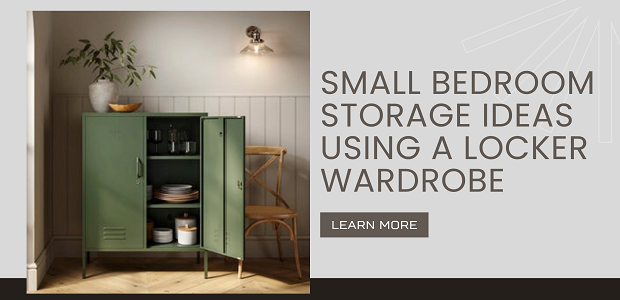
A small bedroom can quickly feel crowded, especially when clothes, shoes and everyday items do not have a proper home. The answer is not always to add more furniture. Often, the smarter approach is to choose storage that uses the available space efficiently while keeping the room easy to move around.
A locker wardrobe is a practical choice for compact bedrooms. Its tall, streamlined shape makes good use of vertical space, while its distinctive metal design adds character without making the room feel overly formal. Whether you are furnishing a box room, guest bedroom, student room or compact main bedroom, the following ideas can help you create a calmer and better-organised space.
1. Use the Height of the Room
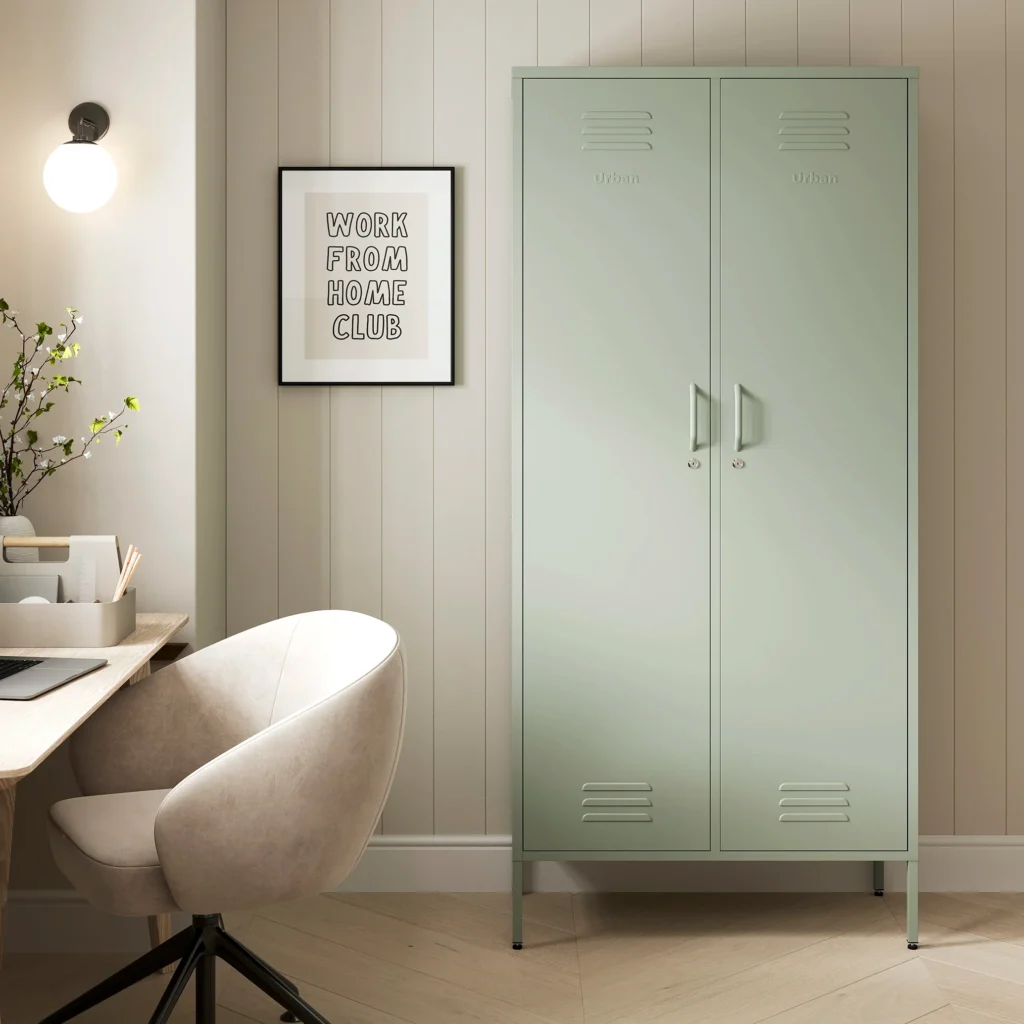
When floor space is limited, look upwards. A tall metal wardrobe provides useful storage without requiring the wide footprint of a large traditional wardrobe. It can hold hanging clothes, folded items and accessories while taking advantage of space that might otherwise remain unused.
Before choosing a wardrobe, measure the floor area as well as the height of the room. Remember to allow enough clearance for doors to open comfortably. Positioning a tall locker against an uninterrupted wall can also make the room appear neater and less visually cluttered.
2. Choose a Single-Door Locker for Narrow Spaces
A single-door locker wardrobe can be ideal beside a bed, in an alcove or against a narrow section of wall. It offers dedicated clothes storage without dominating the room.
Use it for the clothing you wear most often, rather than trying to fit your entire wardrobe inside. Seasonal or rarely used pieces can be stored elsewhere in labelled boxes. This simple approach keeps the locker functional and prevents it from becoming overcrowded.
3. Select a Double-Door Wardrobe for Shared Storage
If you have a little more wall space, a double-door locker can give you additional room while maintaining a clean, coordinated appearance. It may work particularly well for couples, siblings or anyone who wants to separate workwear from casual clothing.
Create a clear purpose for each side. For example, one section can hold hanging garments, while the other stores folded clothes, shoes or bags. Dividing the space into simple zones makes it easier to find what you need and return items to the correct place.
4. Organise the Inside with Baskets and Containers
Small items often create the most mess. Socks, belts, scarves, jewellery and other accessories can easily disappear at the back of a wardrobe. Baskets and compact containers give these items a defined place.
Group similar belongings together and use containers that fit the internal dimensions of your locker. Avoid filling every centimetre. Leaving a little open space makes items more visible and allows you to remove a basket without disturbing everything around it.
5. Make the Most of Shelves
Shelves are useful for folded jumpers, T-shirts, jeans and bedding. Keep the piles short so that you do not have to pull out the entire stack whenever you need an item from the bottom.
You can organise shelves by clothing type, activity or frequency of use. Everyday clothes should remain at eye level, while occasional items can be placed higher or lower. If your storage needs change, adjustable or additional shelving can help the wardrobe adapt over time.
6. Store Shoes Vertically
Shoes can consume valuable floor space in a small bedroom. Instead of leaving them beside the bed or underneath a chair, dedicate the bottom of your locker wardrobe to footwear.
Arrange shoes side by side, place them in clear boxes or use a compact rack if the dimensions allow. Keep the pairs you wear most frequently at the front. Cleaning shoes before storing them will also help keep the inside of the wardrobe tidy.
7. Use Matching Hangers
Bulky and mismatched hangers can waste rail space. Slim hangers allow clothes to sit closer together and give the wardrobe a more orderly appearance. Using one hanger style also makes the rail easier to scan.
However, avoid squeezing in too many garments. Clothes need a little breathing room to prevent creasing and make individual pieces easy to remove. If the rail is packed tightly, it may be time to rotate seasonal clothing or donate items that are no longer worn.
8. Choose a Colour That Works with the Room
Storage should be practical, but it can also contribute to the bedroom’s design. A neutral or pale locker wardrobe can help maintain a light, open feeling, while a stronger colour can serve as a feature in an otherwise simple room.
Rather than trying to match every surface exactly, connect the wardrobe colour to one or two smaller details, such as cushions, artwork, a lamp or a rug. This makes the choice feel intentional without overwhelming the room.
9. Keep the Area Around the Wardrobe Clear
Even well-designed storage will not help if bags, laundry and boxes collect around it. Leave enough open space to access the locker comfortably and fully open its doors.
A small laundry basket nearby can prevent worn clothes from ending up on the floor. A wall hook or over-door organiser can also handle tomorrow’s outfit, dressing gowns or lightweight accessories without adding another piece of furniture.
10. Declutter Before You Organise
Buying organisers before reviewing your belongings can lead to containers filled with things you do not need. Empty your current wardrobe and sort everything into four groups: keep, store elsewhere, donate and discard responsibly.
Return only the items that belong in the bedroom and that you genuinely use. A thoughtfully arranged metal wardrobe will be much easier to maintain than one filled to capacity from the first day.
11. Use the Top of the Locker Carefully
If there is safe, accessible space above the wardrobe, it may be suitable for lightweight seasonal items stored in a lidded box. Choose a container that complements the room and keep its contents limited to items you do not need regularly.
Do not stack heavy or unstable objects overhead. Always follow the wardrobe manufacturer’s installation and safety guidance, including any wall-fixing recommendations.
12. Create a Simple Weekly Reset
Good organisation lasts when it is easy to maintain. Set aside a few minutes each week to return clothes, shoes and accessories to their designated places. Remove empty packaging, move laundry to the basket and refold any untidy piles.
This small routine prevents clutter from building up and saves time when getting dressed. It also makes it easier to notice which items you use and which are simply occupying valuable space.
Choosing the Right Locker Wardrobe
The best wardrobe depends on the size of the room, the amount of clothing you own and how you prefer to organise it. Measure carefully, decide whether you need primarily hanging or folded storage, and consider how the door position will affect movement around the bed.
You can explore the Urban Lockers wardrobe collection to compare locker-style options, colours and configurations for your bedroom. If you are also searching online for Urban Lockers Free Shipping Codes, check the company’s website and current offer terms directly before ordering, as promotions and delivery conditions may change.
Final Thoughts
A small bedroom does not have to feel cramped. By choosing furniture with a compact footprint, using vertical space and giving every item a clear place, you can create a room that feels comfortable and organised.
A locker wardrobe combines practical clothes storage with a distinctive modern look. Choose the right size, organise the interior around your daily routine and avoid filling it with items you no longer need. The result will be a bedroom that is easier to use, simpler to maintain and more enjoyable to spend time in.